
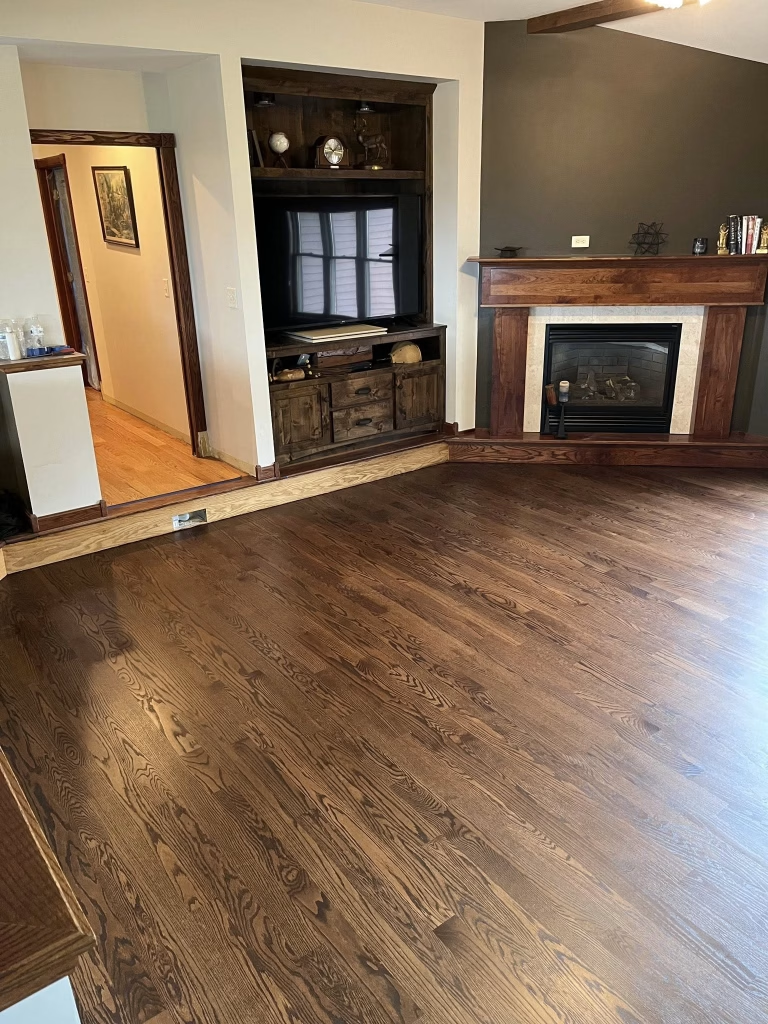
Choosing between LVP and engineered hardwood usually comes down to priorities. Both options can look great in the right space, but they perform differently and each one has strengths that make more sense in certain homes and rooms.
The best choice often depends on how the space is used, what kind of maintenance is expected, and what matters most in the final result.
Appearance and Overall Feel
Engineered hardwood has a real wood surface, so it generally offers a more natural look and feel. That can matter a lot in living rooms, main areas, and homes where the warmth and character of real wood is a big part of the goal.
LVP has improved a lot over time and can still be a very attractive option, especially when practicality is the bigger priority.
Moisture and Daily Wear
One of the main reasons homeowners choose LVP is moisture resistance. In homes with pets, kids, wet entryways, or areas where spills are more likely, that can be a major advantage. It is often chosen for spaces where durability and easier maintenance matter most.
Engineered hardwood can still be a strong fit in many parts of the home, but it should still be treated like a real wood product.
Maintenance and Long-Term Expectations
LVP is often appealing because it is relatively low-maintenance. Engineered hardwood may require more thoughtful care, but it can also deliver a more authentic finished look depending on the product and the space.
Long-term satisfaction usually comes from matching the flooring choice to the conditions of the home instead of choosing only by appearance.
Which Option Makes More Sense?
If the goal is practicality, easier upkeep, and stronger moisture resistance, LVP may be the better fit. If the goal is a more natural material and the look of real wood, engineered hardwood is often the better choice.
The right answer depends less on what is universally best and more on what is best for the room, the household, and the expectations for the finished space.
Final Thoughts
Both products can work well when chosen for the right reasons. A flooring project usually goes much more smoothly when the material is selected based on real use, not just appearance alone.
A little planning up front can prevent a lot of second guessing later.